
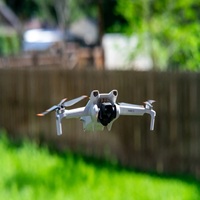
More American homes include a new addition: a drone. While these gadgets can be loads of fun to fly, they also come with responsibility and risks of property damage and bodily injury.
And as people start flying drones, there will be accidents and injuries followed by claims and even lawsuits.
If you are like most people, you were not thinking about insurance when you purchased a drone. But you'll want to make sure you are properly covered for accidents, particularly if you injure a third party or damage their property.
The liability protection in homeowner's or renter's insurance policies will sometimes cover damage or injury from a drone crashing into a neighbor's house, vehicle or child. Yet this coverage isn't universal and some policies specifically include an aviation exclusion that encompasses recreational drones, which the Federal Aviation Administration currently classifies as small aircraft.
While your homeowner's policy would likely cover damage if your drone crashes into a neighbor's car, your policy would not cover damage to your own property.
If you are uncertain about whether your policy covers drone liability, please call us and we can check it for you.
In case it isn't covered, you can buy drone insurance through individual liability coverage through us.
Other issues
Liability coverage for physical damage isn't the only coverage you might need.
There's also been a rise in invasion of privacy claims, which fall under personal injury. If your drone accidentally captures images of a neighbor and that neighbor feels you have violated their privacy, you could be sued.
An umbrella policy or the personal injury section of homeowner's insurance may protect you in this case.
But if the invasion of privacy was intentional, like posting photos of your neighbor in a compromising position online, the insurer would likely not cover the claim.
Aircraft registry
You may have to register your drone with the Federal Aviation Administration if it weighs more than 0.55 pounds, or 250 grams.
Registration is mandatory and you must be at least 13 years old to register.
Based on the rules, the drone must be:
- Flown strictly for recreational purposes.
- Flown within the visual line of sight of the person operating the aircraft or a visual observer co-located and in direct communication with the operator.
- Operated in a manner that does not interfere with manned aircraft and gives way to them.
This registration process applies only to hobbyist and recreational use. There's another process for drones used for commercial purposes.
It's important that you register your drone if required. If you don't, your insurer could deny your claim if you injure someone or damage their property.
Give us a call if you'd like to discuss coverage options.