
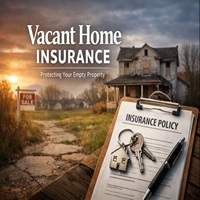
A family thought their upstate New York home was protected until a fire destroyed it while the homeowner was living in a nursing home. When they filed a claim, the insurer denied coverage and the courts ultimately agreed. Because the named insured no longer lived in the home, the policy did not apply.
Most homeowners assume their homeowner's insurance covers the house regardless of occupancy. However, coverage often depends on who is living there and how the property is used. Standard policies are designed for owner-occupied homes and once that changes, so can your protection.
The case illustrates the importance of notifying your insurer if you are no longer living in your home, if you have moved out or will be gone for an extended period. This can help you avoid coverage issues and allow you to purchase a rider that would provide coverage.
Why the exclusion exists
The New York case (Nicotera v. Allstate Ins. Co.) is not an isolated issue. Courts in other states have reached similar conclusions when homeowners move out but keep their insurance unchanged. Even if a property is still owned, maintained or occupied by relatives, that does not automatically preserve coverage.
There is also a separate but related issue: vacancy. Even if you intend to return, leaving a home empty for too long can trigger exclusions.
Your homeowner's policy may not pay for damage from the following perils if your house is vacant for more than 30 to 60 days:
- Theft or attempted theft
- Broken glass
- Vandalism
- Water damage
Insurers view vacant properties as higher risk because problems can go undetected for weeks or months. For example:
- A burst pipe can cause extensive damage if no one is there to shut off the water.
- Vacant homes are more attractive targets for theft or vandalism.
- Maintenance issues, like roof leaks, can worsen without regular oversight.
What you can do
If you'll be away from your home for more than a month, here are steps to protect yourself:
- Read your policy to understand residency and vacancy requirements.
- Notify your insurance agent before moving out or leaving for an extended period.
- Ask about vacant or unoccupied home coverage options.
- Consider adding endorsements or switching policies if the situation changes.
- Make sure the right people are listed as insureds. If you are not living in the home but name someone who is, such as a relative, the home would be considered occupied.
If you're planning a move, helping a family member transition to assisted living or leaving a property vacant while it's for sale, please call us. We can review your situation, explain your options and help ensure you have the right coverage in place.